Begin with the boundary
An estate’s advertised acreage does not tell you how much land is available for a guest walk. The holding may include leased farmland, private residences, woodland operations or areas reserved for events. Ask for a map showing open routes, restricted areas and the way back to the house. A distant landmark visible from your room may be on another property or beyond a locked gate.
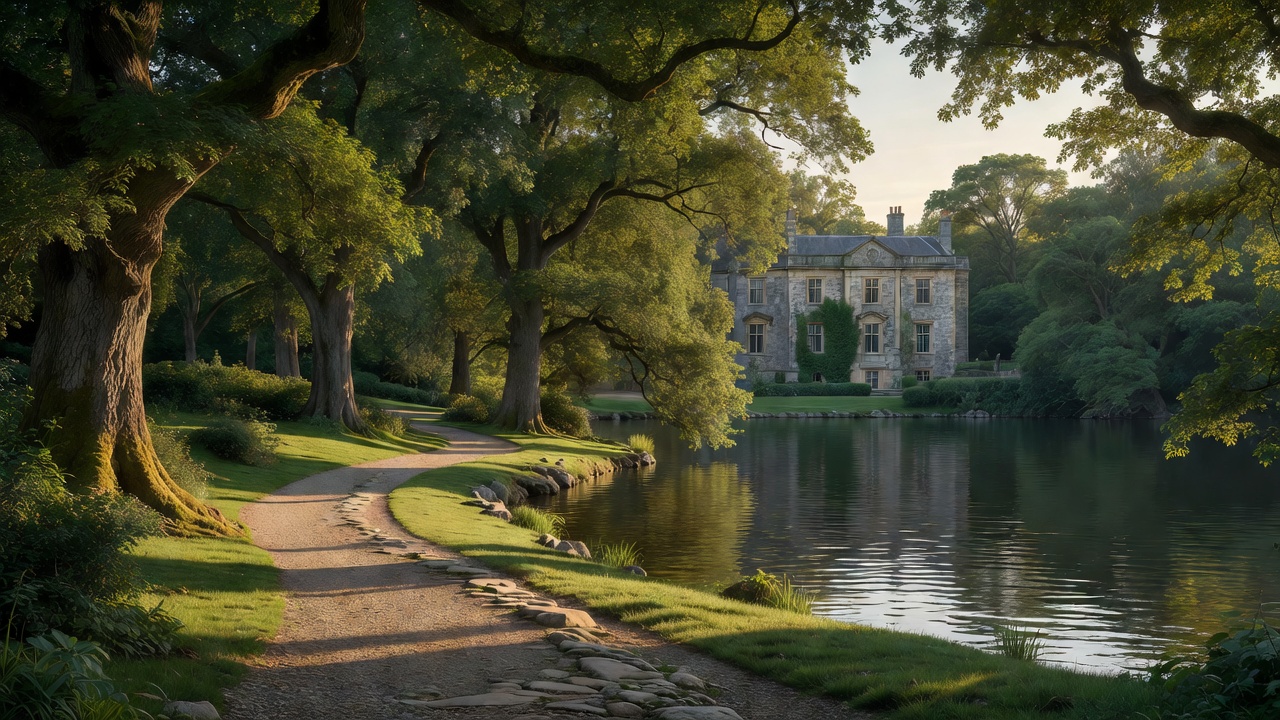
Separate hotel access from public visitor arrangements. Gardens can have their own opening hours, admission rules and seasonal closures even when accommodation operates throughout the year. Ask whether your rate includes entry and whether overnight guests have any additional access. Do not interpret an early-morning photograph as evidence that the same route will be open at dawn during your visit.
Choose a walk by conditions, not just distance
A short route can be demanding if it crosses wet grass, steep gravel or uneven steps. Ask about surfaces, gradients, seating and accessible toilets rather than relying on a walk being described as easy. Mobility equipment may perform differently on compacted stone and deep gravel. Confirm charging or storage arrangements directly if you plan to bring powered equipment.
Weather changes the same landscape quickly. Tree work, flooding, livestock management and high winds can close routes at short notice. Take current advice from the estate and respect barriers even if an older map shows an open path. Carry a charged phone, appropriate clothing and enough daylight for the return. Rural mobile coverage should not be treated as an emergency plan on its own.
Read a designed landscape slowly
Historic gardens often reveal themselves through movement: a framed view, a change of level or a building seen across water. The official information for Stourhead provides a useful introduction to a landscape garden, while Cliveden offers a different relationship between house, terraces and wider grounds. These are landscape references, not interchangeable accommodation recommendations.
Chatsworth and Blenheim Palace offer further official starting points for exploring how houses and parkland are presented to visitors. Check current ticketing and access separately for each place. A famous garden can inform your understanding of estate design without being part of the property where you sleep.
Working land is not an inconvenience to edit out
Tractors, gardeners, grazing animals and maintenance teams are part of an estate’s life. Ask when work commonly takes place if noise or route availability matters to you. Keep away from machinery, respect private buildings and leave gates as directed. Do not feed animals or treat a field as a picnic area simply because it looks empty from the terrace.
For visits in England and Wales, the Countryside Code is a useful reference for responsible behaviour. In Scotland, consult the Scottish Outdoor Access Code; access arrangements and responsibilities are not identical across jurisdictions. A hotel’s informal walking suggestion does not replace applicable law, official guidance or temporary safety instructions on the ground.
Include the surrounding community
A country-house stay can become oddly detached from the place that sustains it. Consider visiting a nearby village, independent shop, museum or public garden rather than treating the gate as the edge of your itinerary. Ask staff for practical suggestions, but confirm opening hours with the destination itself. Small attractions and local transport may follow seasonal or limited schedules.
Historic context also extends beyond the most decorative account of the house. Landscapes can reflect agricultural change, labour, inherited wealth and contested histories. Sources such as Historic Houses can help identify properties and their visitor information, while individual archives and heritage organisations may provide deeper accounts. Read more than a single promotional paragraph when a house’s history is part of your reason for travelling.
Build a visit that leaves room to notice
Choose one reliable short route before planning an ambitious excursion. Establish where you can clean muddy footwear, whether wet coats can dry and whether packed food is available to order. Dog policies should be checked for the bedroom, dining spaces and grounds separately; permission in one place does not imply permission everywhere. Follow lead requirements and local restrictions around wildlife or livestock.
The landscape need not supply an elaborate activity programme to enrich a stay. A well-explained walk, an accessible terrace and an honest weather plan may be enough. The best estate hospitality helps you understand the place without pretending it exists solely for your convenience.
Resolve the remaining practical questions