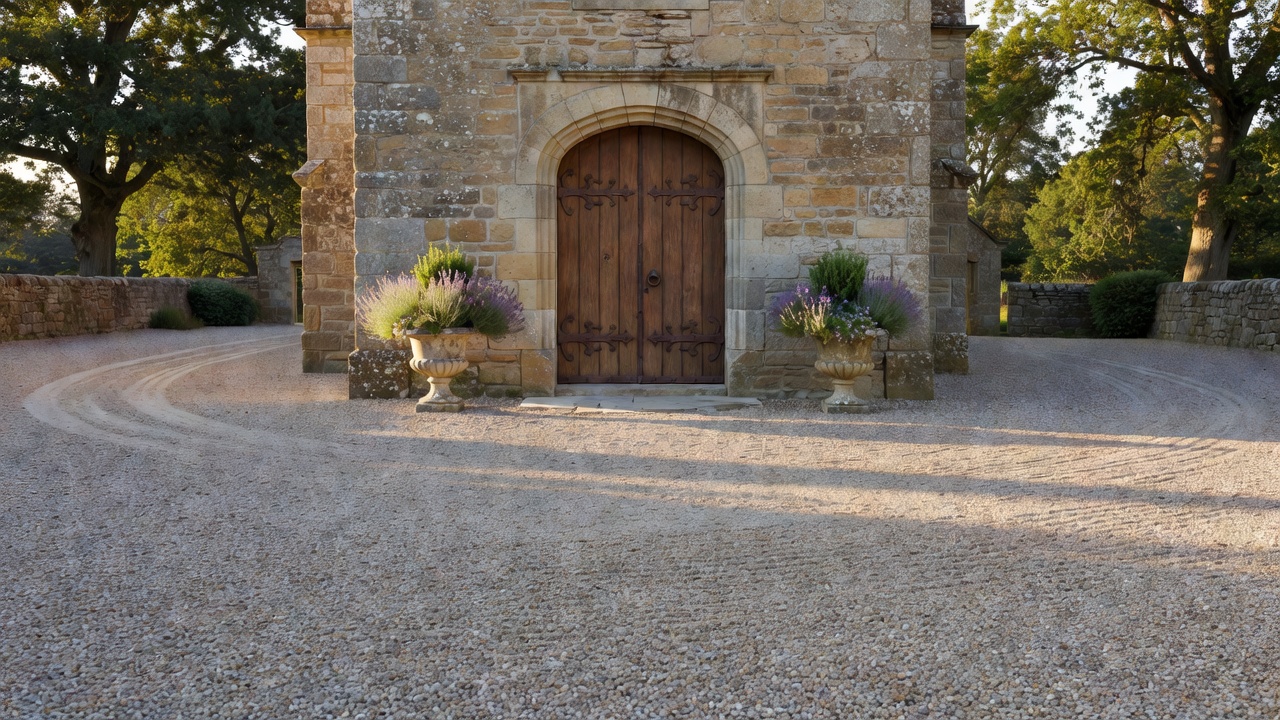
Before the gate comes into view
A country-house visit begins before the drive. The most revealing pre-arrival information answers modest questions: which entrance to use, whether a navigation service selects the correct gate, where to stop with luggage and what happens after dark. An estate can have separate addresses for its farm, events business and accommodation. A postcode alone may bring you close without bringing you to reception.
Ask for written directions if your arrival depends on a rural connection or a late train. Establish whether the estate can arrange a transfer, whether that arrangement is confirmed and who you should telephone if a connection fails. A suggestion that taxis are available locally is not the same as a reserved car. Keep essential directions offline when mobile reception is uncertain.
The first ten minutes
At the threshold, good service makes the next action obvious. Someone acknowledges you, explains where bags can go and gives a realistic account of room readiness. An early arrival need not mean immediate access to the bedroom, but it should not leave you guessing whether the lounge, lunch service or garden is available. Confirm these possibilities before travelling if they shape your first day.
Historic circulation can be unusual. What looks like the front door may open into a ceremonial hall while reception occupies a side room. That arrangement is not a service failure in itself. The useful test is whether the house has made it legible with directions, discreet signs or a person ready to meet you. Privacy should feel considered rather than indistinguishable from absence.
A welcome should transfer useful knowledge
A long account of the family portraits is less helpful than knowing how to contact the duty team. A thoughtful orientation explains breakfast, dining reservations, room controls, emergency information and any locked exterior doors. It also distinguishes what is included from what can be arranged at an additional charge. Guests should not have to infer these boundaries from a tray or an unattended drinks cabinet.
Notice whether staff adapt their explanation to your circumstances. A visitor who has driven for several hours may prefer a short introduction and written information to a full tour. Someone arriving alone may value a clear invitation to use shared rooms. Premium service is not constant conversation; it is accurate attention, offered with enough discretion to let you settle.
Read the house’s history without confusing it with service
Real houses offer useful context, but their histories do not substitute for current operational information. Hartwell House, Middlethorpe Hall and Bodysgallen Hall provide official starting points for understanding different country-house settings. Read each operator’s current material for its own arrangements; do not assume that one historic property follows another’s practices.
The National Trust and Historic England’s National Heritage List for England serve different purposes from hotel marketing. They can illuminate ownership context or architectural significance. They do not confirm that a particular welcome, room category or staffing pattern will be available on your dates. Keeping those kinds of evidence separate makes planning more reliable.
Service continuity matters after reception
Ask what happens when the visible welcome ends. Is someone on site overnight? How do you reach them? Can a late return disturb other bedrooms, and does the route involve steps or outdoor paving? For guests who need assistance, these are central booking questions, not details to discover after dinner. An honest description of a small team is more useful than a vague promise of round-the-clock care.
Events deserve the same clarity. A house can be an excellent wedding venue and a restful retreat, but not every combination of dates and rooms serves both equally well. Ask about shared entrances, exclusive-use areas and evening activity. Obtain important commitments in writing, including any agreed assistance. The aim is not to demand that an old house behave like a new resort; it is to understand the stay you are actually buying.
Your arrival checklist
- Save the correct entrance instructions and a working contact number.
- Confirm room access, luggage storage and any booked transfer.
- Explain mobility, communication or assistance requirements in concrete terms.
- Ask about events, late returns and overnight help.
- Keep written confirmation of arrangements that are essential to your visit.
Once the welcome has done its work, attention can turn to the room itself: not just how it photographs, but how well it supports rest.
Continue to rest behind old walls